Thermal Shock Coffee Processing: What It Is, How It Works & Why It’s Transforming Specialty Coffee
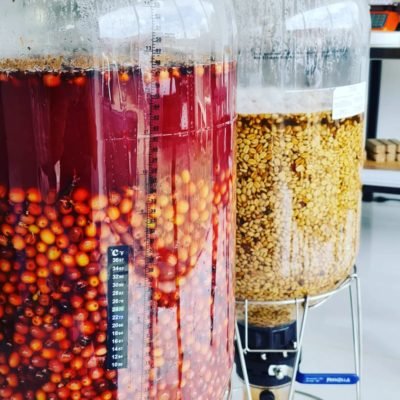

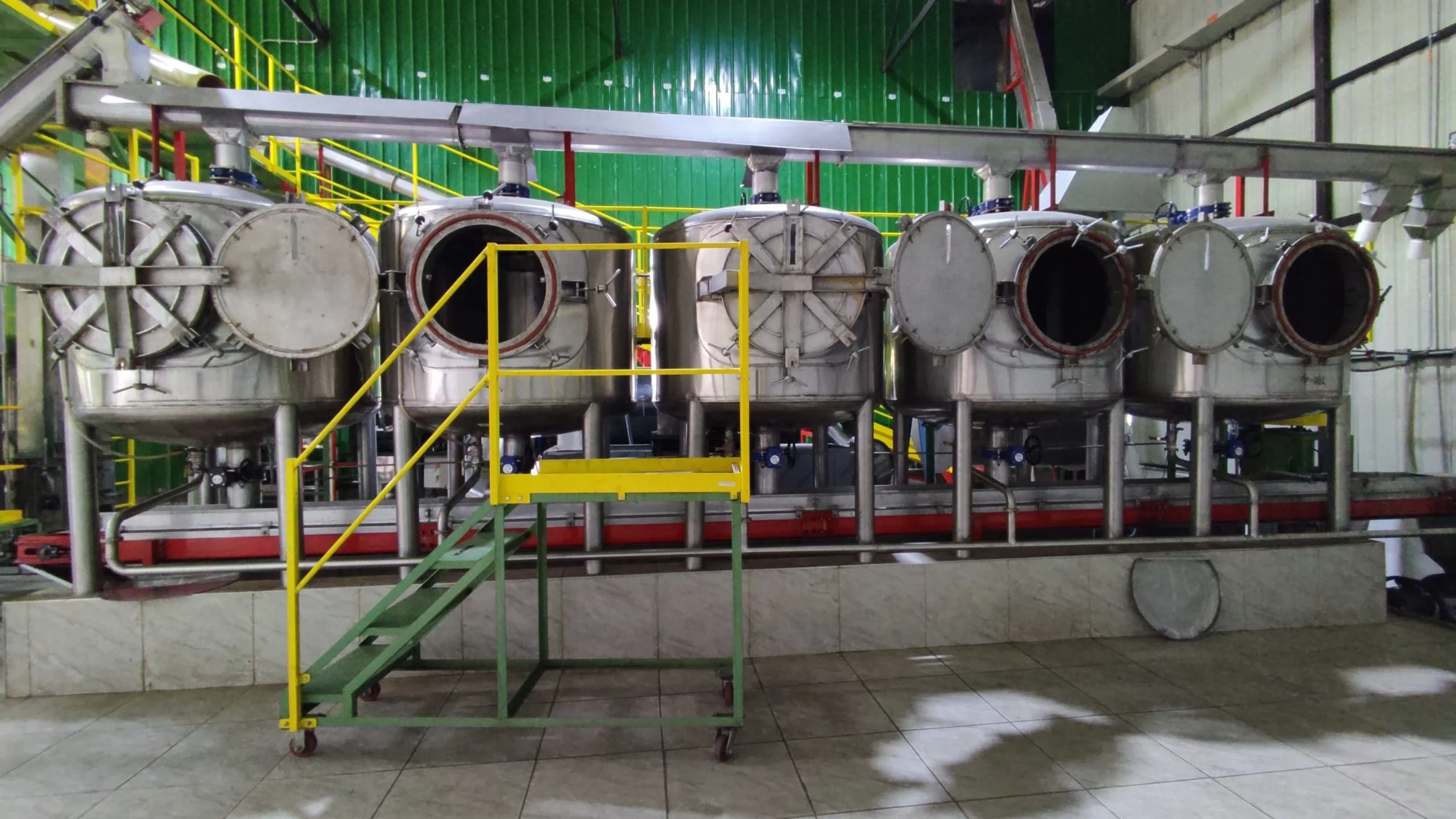
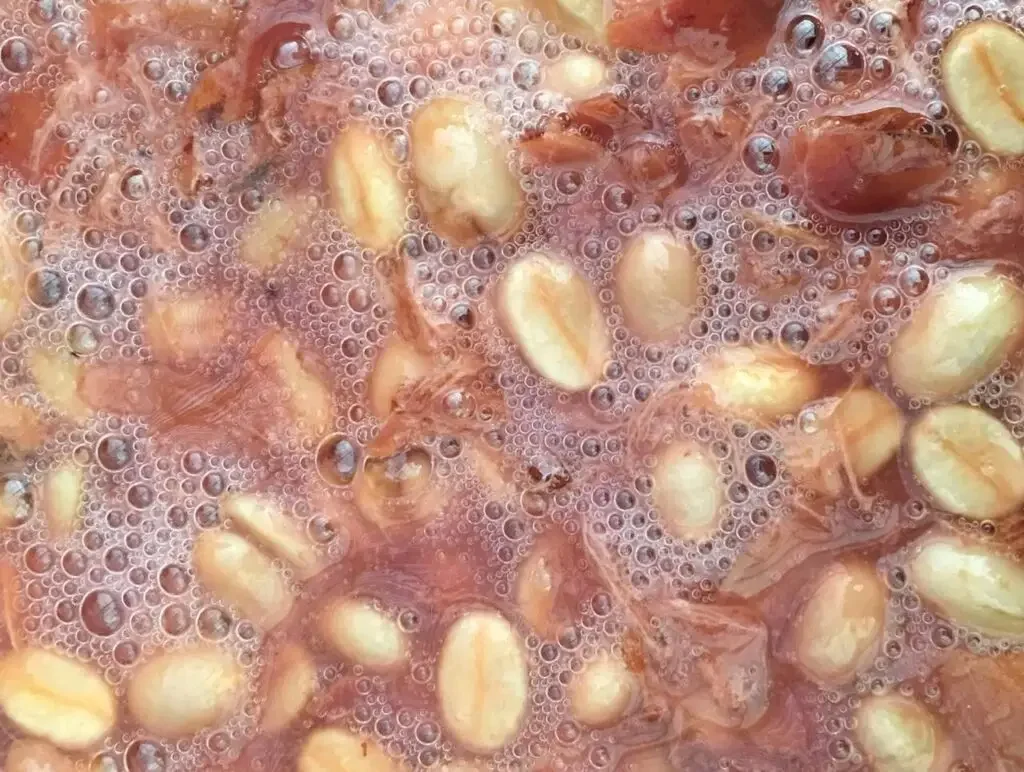
Experimental coffee processing continues to reshape the specialty coffee industry, pushing flavour boundaries beyond traditional washed and natural methods.
One of the most talked-about innovations is thermal shock coffee processing — a technique that uses rapid temperature changes to influence fermentation, preserve aromatics, and enhance cup clarity.
But what exactly is thermal shock processing? How does it work on a scientific level? And what are the real pros and cons for producers, roasters, and coffee drinkers?
This detailed guide breaks down everything you need to know about thermal shock coffee processing — from process steps and microbial impact to flavour outcomes and industry debate.
What Is Thermal Shock Coffee Processing?
Thermal shock coffee processing is a controlled post-harvest technique where coffee cherries or beans are exposed to rapid temperature changes — typically hot water followed by immediate cold immersion — during or after fermentation.
The aim is to:
Control microbial activity during fermentation
Modify bean cell structure
Preserve volatile aromatic compounds
Stabilise flavour development
Producers often combine thermal shock with advanced fermentation techniques such as anaerobic fermentation or controlled inoculated ferments to create highly expressive specialty coffee profiles.
Why Thermal Shock Processing Is Gaining Popularity
Search interest in experimental coffee processing has increased dramatically as consumers seek unique and fruit-forward coffees. Thermal shock processing has gained traction because it can produce:
Extremely aromatic coffees
Clean yet intensely flavoured cup profiles
High sweetness and structured acidity
Consistent fermentation outcomes
For specialty coffee roasters, thermal shock coffees offer differentiation in an increasingly competitive market.
Step-by-Step Thermal Shock Coffee Processing Method
While exact protocols vary by producer, most thermal shock processing workflows follow a similar structure.
1. Selective Coffee Cherry Harvesting
Only ripe cherries are harvested to ensure optimal sugar content and consistent fermentation potential — a crucial factor since thermal shock amplifies flavour expression.
2. Cleaning & Preparation
Cherries are floated and washed to remove defects. Coffee may remain whole or be depulped depending on the target processing style (washed, honey, or experimental hybrid).
3. Controlled Fermentation
Coffee is fermented in sealed tanks or temperature-controlled environments. Producers monitor:
Fermentation temperature
pH levels
Sugar concentration (Brix)
Oxygen exposure
This stage builds flavour precursors that thermal shock later helps stabilise.
4. Hot Water Immersion
Coffee is immersed in warm or hot water — typically between 40°C and 70°C — for a short, controlled period.
This phase helps:
Increase cell wall permeability
Release aromatic compounds
Reduce unwanted microbial populations
5. Rapid Cold Shock
Immediately after heating, coffee is transferred into cold or ice water.
Rapid cooling:
Contracts cellular structure
Slows enzymatic activity
Helps “lock in” fermentation aromatics
Reduces the risk of over-fermentation
6. Controlled Drying
After thermal treatment, coffee is dried on raised beds or in mechanical dryers under carefully controlled conditions to stabilise flavour development.
The Science Behind Thermal Shock Processing
Thermal shock processing influences coffee chemistry, microbiology, and physical bean structure.
Cellular Structure Modification
Rapid temperature change affects cell wall permeability, allowing sugars, acids, and flavour compounds to redistribute within the seed.
Microbial Population Control
Heat reduces undesirable microorganisms, while rapid cooling slows fermentation at precise moments — giving producers greater control over flavour outcomes.
Aroma Preservation
Temperature shifts may help retain volatile aromatic compounds produced during fermentation, contributing to highly expressive cup profiles.
Enzyme Activity Regulation
Heat can accelerate enzymatic reactions briefly, while rapid cooling slows biochemical processes, allowing producers to “freeze” fermentation at optimal flavour stages.
Pros of Thermal Shock Coffee Processing
Enhanced Aromatic Complexity - Thermal shock coffees often display intense tropical fruit, berry, floral, or confectionery notes.
Cleaner Experimental Profiles - Despite heavy fermentation, many lots maintain a surprisingly clean and structured cup.
Greater Fermentation Control - Temperature manipulation provides producers with additional precision during processing.
Improved Consistency - By stabilising microbial activity, thermal shock can reduce batch variation.
Market Differentiation - Experimental processing methods help specialty roasters stand out with unique coffee offerings.
Cons and Challenges of Thermal Shock Processing
High Technical Requirements - Producers need precise temperature monitoring, fermentation expertise, and strict process control.
Risk of Over-Processing - Excessive heat or incorrect timing can damage beans or produce artificial, overly fermented flavours.
Increased Production Costs - Water usage, specialised equipment, and labour requirements may limit accessibility for smaller farms.
Debate Over Origin Expression - Some industry professionals argue that heavy processing techniques may overshadow varietal and terroir characteristics.
Lack of Standardisation - “Thermal shock” has no universal definition, making transparency and consumer education essential.
How Thermal Shock Processing Affects Coffee Flavour
Common flavour characteristics in well-executed thermal shock coffees include:
High aromatic intensity
Pronounced fruit notes (tropical, berry, stone fruit)
Elevated sweetness
Bright, structured acidity
Clean and crisp finish
However, poorly executed lots may taste overly boozy, artificial, or lacking balance.
Is Thermal Shock Processing the Future of Specialty Coffee?
Thermal shock processing isn’t a replacement for traditional methods — it’s an experimental tool that allows producers to push flavour boundaries while exploring new fermentation science.
When used responsibly, it can enhance flavour complexity without sacrificing cup clarity. For roasters and coffee enthusiasts, understanding thermal shock processing helps deepen appreciation for the innovation happening at origin.
Final Thoughts: Understanding Thermal Shock Coffee
Thermal shock processing represents the growing intersection between science and creativity in coffee production. By manipulating temperature during fermentation, producers can control microbial activity, preserve aromatics, and craft incredibly expressive cup profiles. As experimental processing evolves, transparency and education will be key to helping consumers understand how processing choices influence what ends up in their cup.
Thermal Shock Coffee Processing FAQ
What is thermal shock coffee processing?
Thermal shock coffee processing is an experimental post-harvest technique where coffee cherries or beans undergo rapid temperature changes — typically hot water followed by immediate cold immersion — during or after fermentation.
The process helps control microbial activity, stabilise flavour development, and preserve aromatics, often producing fruit-forward specialty coffees with high clarity and sweetness.
How does thermal shock processing affect coffee flavour?
Thermal shock processing often creates coffees with intense aromatics, pronounced fruit notes, elevated sweetness, and clean finishes.
Rapid temperature changes influence fermentation chemistry and aroma preservation, which can lead to highly expressive cup profiles. When executed well, the result is a complex yet balanced specialty coffee suitable for filter or espresso brewing.
Is thermal shock coffee natural or washed?
Thermal shock is not a standalone processing style like washed or natural coffee.
Instead, it is an additional step applied during fermentation within various processing methods. For example, a coffee can be washed thermal shock, natural thermal shock, or anaerobic thermal shock depending on how the coffee is fermented and dried before export.
Is thermal shock coffee fermented?
Yes — thermal shock coffee processing is typically used alongside controlled fermentation. Producers ferment the coffee first to develop flavour compounds, then apply rapid temperature changes to influence microbial activity and stabilise the fermentation at a desired stage. This helps create consistent and distinctive flavour profiles popular in modern specialty coffee.
Does thermal shock processing make coffee taste artificial?
When executed correctly, thermal shock processing enhances natural flavour development rather than creating artificial flavours. However, poorly controlled fermentation or excessive heat can produce overly fermented or unbalanced taste profiles.
Skilled producers and experienced specialty coffee roasters play a key role in ensuring quality and authenticity in the final cup.
Why are UK specialty coffee roasters using thermal shock coffees?
UK specialty coffee roasters often source thermal shock coffees because they offer unique flavour experiences, strong customer appeal, and consistent fermentation outcomes.
These coffees help roasters diversify seasonal offerings and showcase innovation at origin while meeting demand from UK coffee drinkers seeking experimental and fruit-forward coffees.
Is thermal shock coffee good for espresso or filter?
Thermal shock coffees can work well for both espresso and filter brewing. Many roasters use them for modern espresso styles with bright acidity and sweetness, while filter brewing highlights their aromatic intensity and complexity.
Brewing method choice depends on roast profile and flavour characteristics, but thermal shock coffees are often versatile.
Is thermal shock coffee more expensive?
Thermal shock coffee may cost more due to the additional labour, water usage, and technical expertise required during processing.
Experimental fermentation techniques can also increase production risk for farmers. However, higher prices often reflect microlot quality, innovative processing methods, and the increased demand within the global specialty coffee market.
Is thermal shock processing sustainable?
Sustainability depends on how producers manage water usage and energy during temperature changes.
Some farms implement water recycling systems and controlled processing protocols to reduce environmental impact.
Transparency from producers and specialty coffee importers is essential for evaluating sustainability claims related to experimental processing methods.
What should I look for when buying thermal shock coffee in the UK?
When buying thermal shock coffee from a UK specialty coffee roaster, look for clear origin information, processing details, harvest dates, and tasting notes.
Reputable roasters provide transparency about sourcing and roasting approach, helping customers understand how experimental processing influences flavour and ensuring high-quality specialty coffee experiences.
Who are some notable coffee producers known for their use of Thermal Shock?
Diego Bermudez / Finca El Paraiso (Cauca, Colombia): Considered a pioneer of this technique, Diego Bermudez and his team at Finca El Paraiso are synonymous with thermal shock, developing it to "fix" aromatic compounds inside the bean. They use a specialized, controlled process, sometimes involving double anaerobic fermentation and specific yeast cultures to create profiles with notes of peach, red berries, and tropical fruit.
Wilton Benitez / Granja Paraiso 92 (Cauca, Colombia): A chemical engineer-turned-producer, Wilton Benitez is renowned for applying biotechnology to coffee, using thermal shock to enhance flavor clarity and aroma. His processes often involve anaerobic lactic fermentation followed by precise thermal shock washes.
Edison Argote / Quebraditas Coffee Farm (Huila, Colombia): A "rising star" producer who worked under established innovators in Cauca before launching his own farm, Edison Argote produces high-end, experimental thermal shock lots, including Pink Bourbon and Gesha.
Nestor Lasso / El Diviso (Huila, Colombia): Known for producing competition-level coffee, Nestor Lasso applies thermal shock to varieties like Bourbon Ají and Java, resulting in highly complex, clean, and often floral profiles.
Jhoan Vergara / Las Flores (Huila, Colombia): Operating in Acevedo, Jhoan Vergara uses a low-impact thermal shock method at the Beneficio Peñas Blancas mill to produce unique coffees, such as Pink Bourbon with intense, layered flavors, which have earned spots as competition finalists.
Luis Campos / Cordillera de Fuego (Tarrazu, Costa Rica): While a key innovator in thermal shock fermentation is often associated with Colombia, Luis Campos in Costa Rica has been recognized for a "Natural Thermal Shock" process, which uses sun-exposed heat to caramelize sugars before fermentation.